Sanitary Flow Meters for Food and Beverage: A Specialist Guide
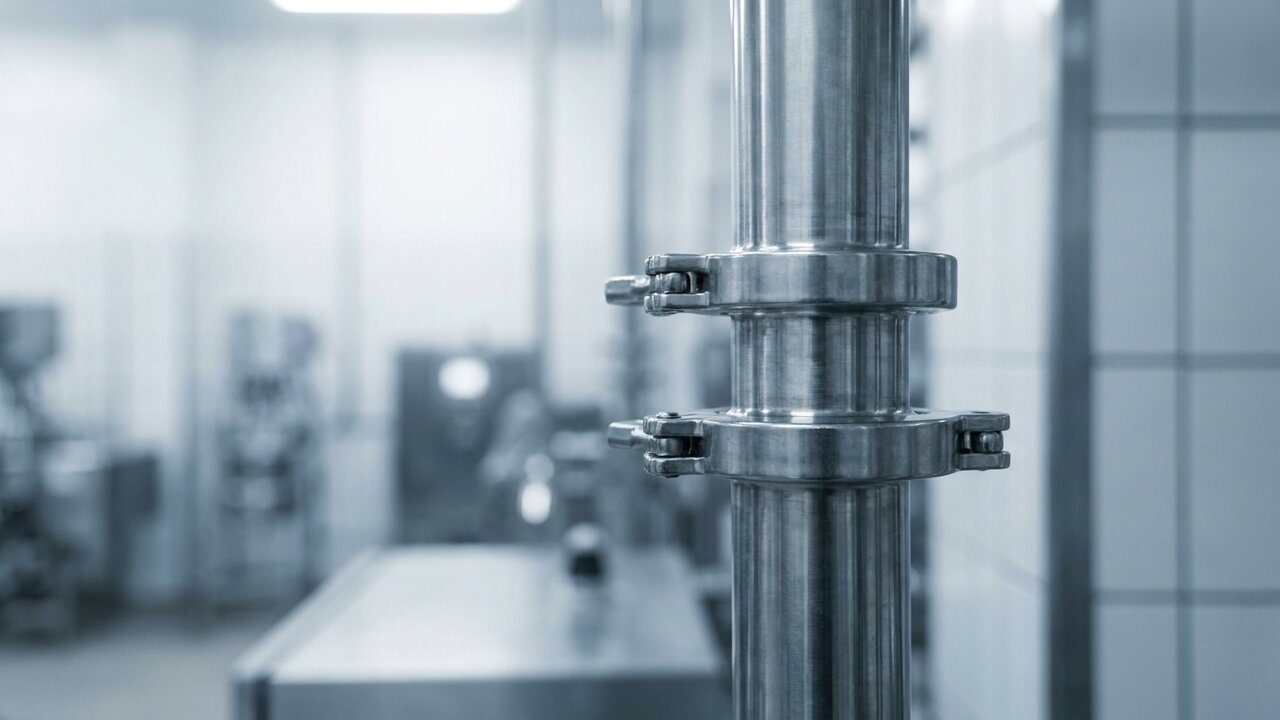
Ask a generalist instrument supplier what makes a flow meter sanitary, and the answer is often just "it's stainless steel". That is not what makes a meter hygienic, or CIP-compatible in any meaningful sense. Hygienic duty changes almost every part of the specification: the internal geometry of the wetted path, the surface finish, the materials in contact with product, the fittings used to get the meter in and out of the line, and whether the whole assembly can survive a caustic wash and a steam cycle without drifting or failing.
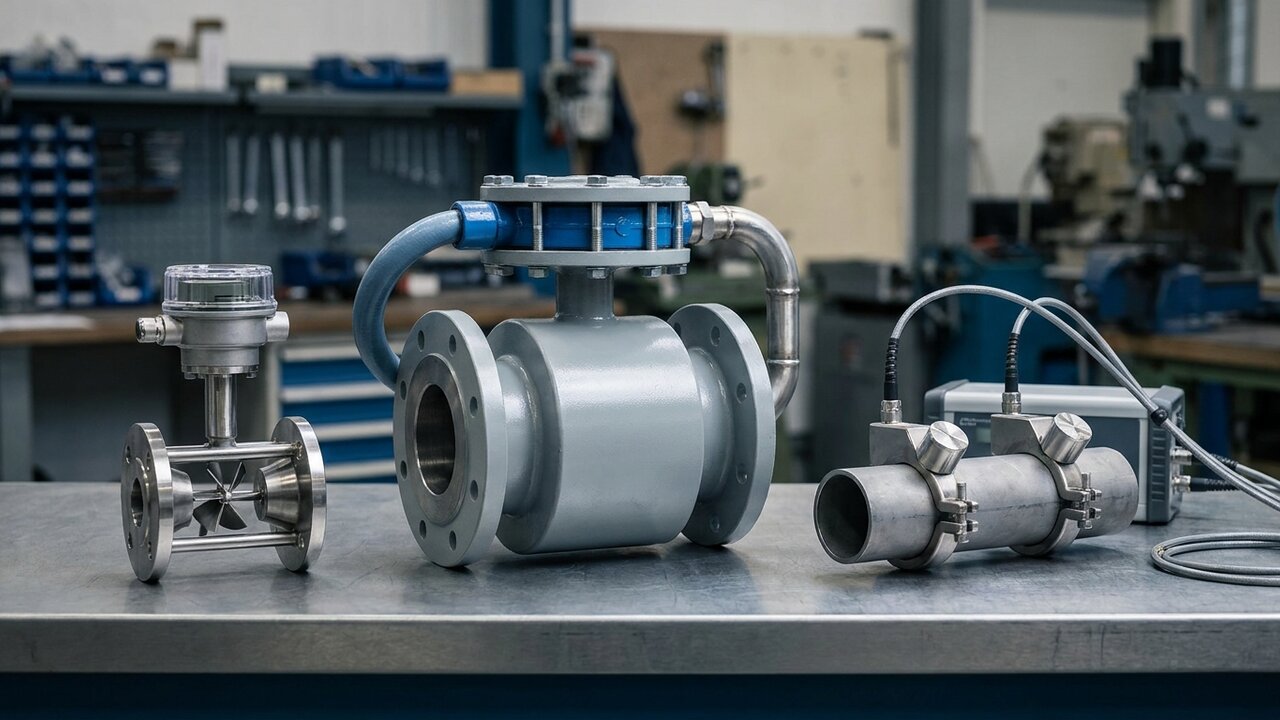
Nixon Flowmeters has supplied instrumentation into food, beverage and dairy processing lines for nearly 60 years, alongside our work across water, chemical and industrial process applications. This article sets out what actually makes a flow meter fit for hygienic duty, what EHEDG and 3-A certification does and does not guarantee, and an honest shortlist of which flow meter technology suits which food and beverage application, including where a technology that looks right on paper is quietly the wrong choice.